Discover how vegetarian meal prep can lead to a sustainable future. Learn tips and recipes for easy plant-based meal preparation on our blog!
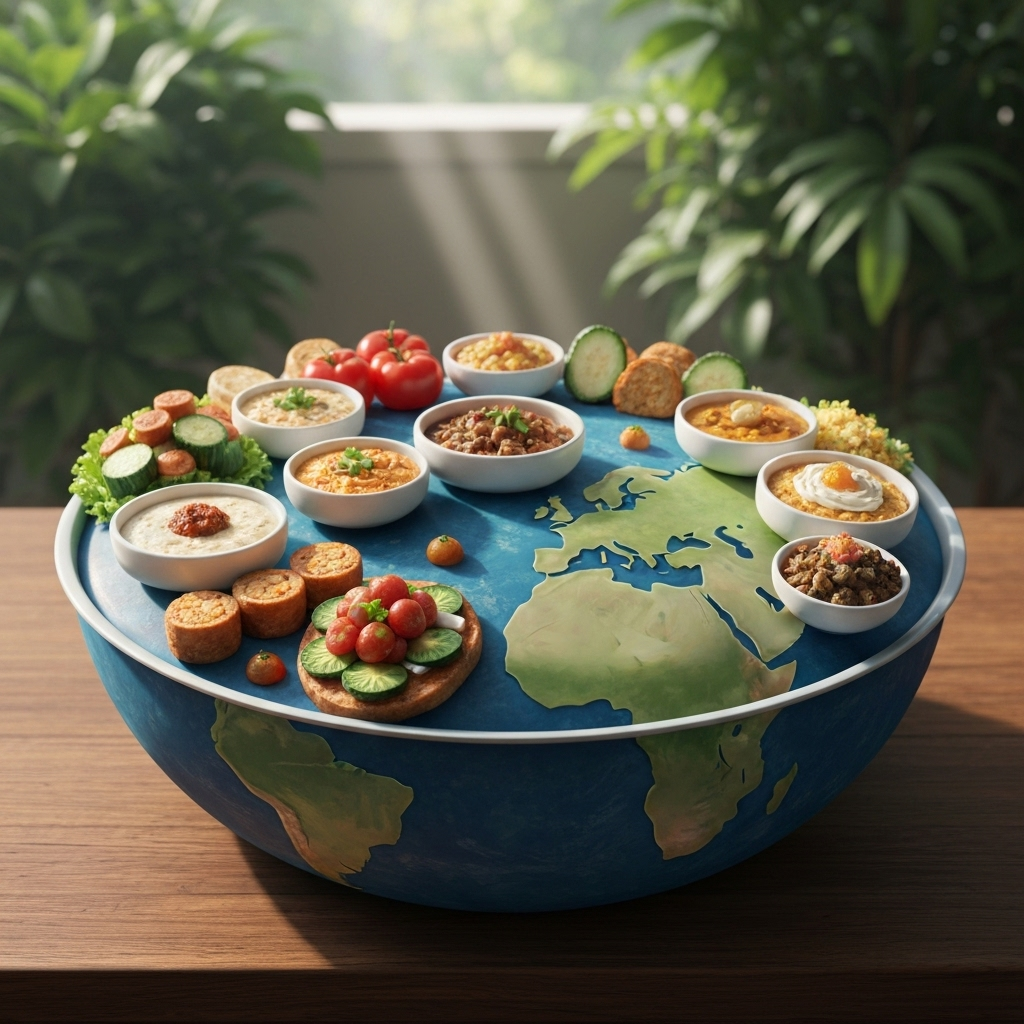
Discover how vegetarian meal prep reduces your carbon footprint for a sustainable future.
Learn to cut down on food waste through effective weekly planning and meal prepping.
Find simple tips for starting your own vegetarian meal prep routine, from setting goals to picking fresh veggies.
Explore easy meal prep recipes perfect for beginners, including no-cook breakfasts and simple dinners.
See how Fresh Fork Meals makes sustainable eating easy with delicious, protein-packed vegetarian options.
Get vegetarian meal inspiration to keep your weeknight dinners exciting and nourishing.
Did you know that your weekly meal plan can be a powerful tool against climate change? It's true. Embracing vegetarian meal prep, especially with options from Bloomington, Indiana, like Fresh Fork Meals, is one of the most delicious ways you can contribute to a more sustainable planet. This simple practice not only streamlines your weeknight dinners but also drastically reduces your environmental impact. If you're looking for satisfying vegetarian recipes and a clear path to greener eating, you've come to the right place. Let's explore how planning your plate can change the world.
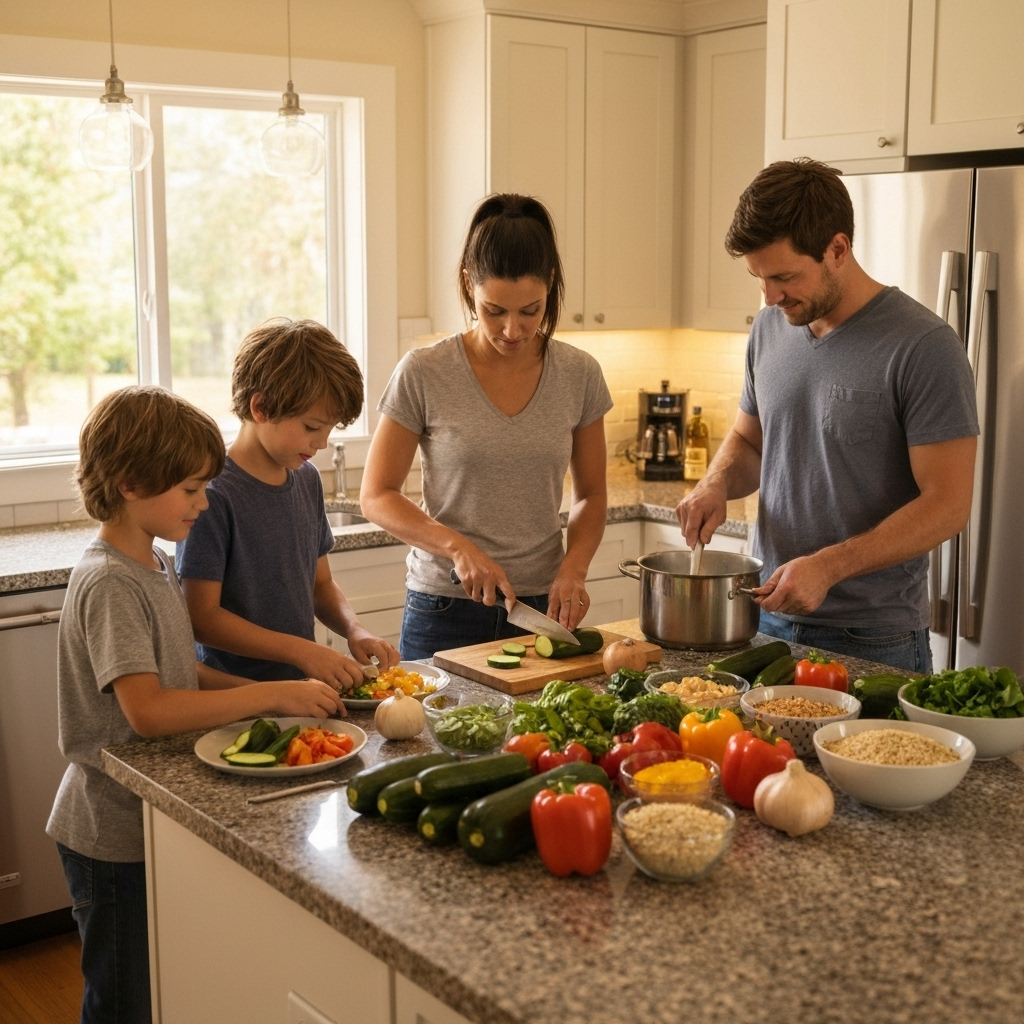
Choosing vegetarian meal prep is a significant step toward a sustainable future. Plant-based foods require far fewer natural resources like water and land compared to meat production. By planning your meals around fresh veggies and plant proteins, you actively decrease your carbon footprint and support a healthier planet.
This approach makes sustainable living feel easy and accessible. Instead of wondering what to cook, you have a plan that’s good for you and the environment. Below, we’ll look at how this impacts your local community, reduces waste, and supports local farms.
When you choose vegetarian meal prep in Indiana, you're making a direct, positive impact on our local environment. The agricultural demand for meat production puts a heavy strain on Indiana's water sources and land. By shifting your diet toward plant-based meals, you help conserve these precious resources.
Meal prepping with fresh veggies and legumes reduces the need for large-scale animal farming, which is a major contributor to greenhouse gas emissions. This small change, multiplied across many households, can lead to cleaner air and water for everyone in our state.
Ultimately, your commitment to meal prepping with plants helps build a more sustainable future right here at home. Every delicious, plant-powered meal you prepare is a vote for a healthier Indiana.
One of the biggest environmental benefits of meal prepping is the significant reduction in food waste. How often have you bought produce with good intentions, only to find it wilted in the back of your fridge? Weekly planning puts an end to that cycle.
By creating a meal prep routine, you shop with a purpose. You buy only the ingredients you need for the week's meals, which saves money and prevents perfectly good food from ending up in the trash. This simple habit has a massive collective impact on reducing landfill burden.
Here are a few tips for your weekly planning:
Shop with a list: Plan your meals and write down every ingredient you need.
Use your pantry staples: Check what you already have before heading to the store.
Plan for leftovers: Intentionally make extra for another meal to ensure nothing is wasted.
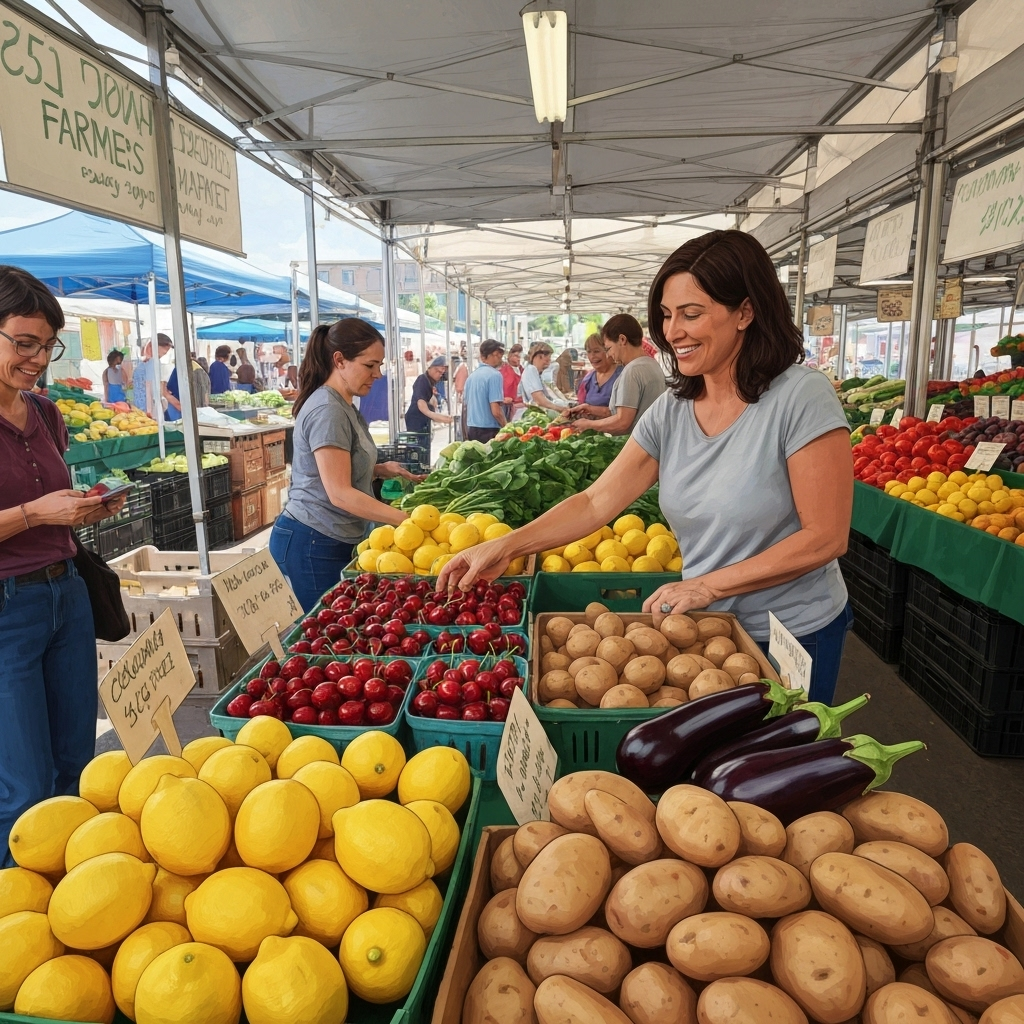
Your vegetarian meal prep journey is a fantastic opportunity to connect with and support local farms. When your diet centers on fresh produce, visiting local farmer’s markets becomes a rewarding part of your routine. You get access to the freshest, most flavorful ingredients for your meal prep recipes.
Buying directly from Indiana farmers means your food travels fewer miles to get to your plate, which lowers its carbon footprint. It also strengthens the local economy, ensuring that small, sustainable farms can continue to thrive. This direct connection helps you appreciate where your food comes from.
Next time you're planning your meals, think about sourcing your fresh produce from a nearby market. You'll find that seasonal fruits and vegetables not only taste better but also make your vegetarian meal prep a powerful tool for community support.
Ready to start your own vegetarian meal prep adventure in Indiana? You’re in the right place! Getting into a meal prep routine doesn't have to be complicated. It’s all about taking small, manageable steps to build a habit that sticks.
From setting achievable goals to finding the best local produce, we'll guide you through the essentials. Let's look at how you can set yourself up for success with the right mindset, tools, and ingredients.
Jumping into meal prepping can feel overwhelming if you try to do too much at once. The key to building a lasting meal prep routine is setting realistic goals. Instead of planning every single meal for the entire week, start small.
Healthy meal prep is about consistency, not perfection. Celebrate small wins, like prepping lunches for three days or making a big batch of soup for a few dinners. This approach prevents burnout and makes the process enjoyable.
Here are some realistic goals to get you started:
Start with one meal: Focus on just prepping your lunches or breakfasts for the week.
Prep components, not full meals: Cook a batch of quinoa, roast some vegetables, and make a dressing.
Try two or three new recipes: Don't overhaul your entire diet overnight.
Dedicate a specific time: Set aside two hours on Sunday for all your meal prepping.
One of the best parts of vegetarian meal prep is working with vibrant, fresh veggies. In Indiana, we are lucky to have access to amazing seasonal produce from local markets. Shopping seasonally ensures your meals are bursting with flavor and nutrients.
Visiting Indiana markets is a great way to find meal prep ideas. See what looks best—whether it's sweet corn in the summer or butternut squash in the fall—and build your menu around it. This not only supports local growers but also adds variety to your diet.
When produce is in season, it's often more affordable and at its peak freshness. This makes your meals taste better and helps them last longer in the fridge. Let the bounty of Indiana's farms inspire your next week of delicious, prepped meals.
You don't need a professional kitchen to succeed at meal prepping, but having the right kitchen tools makes the process much smoother. Investing in a few key items will save you time and effort in the long run. Quality storage containers are especially important for keeping your food fresh.
A good set of knives and a sturdy cutting board are non-negotiable. For more complex recipes, a food processor can be a game-changer, helping you make sauces, dips, and veggie burgers in minutes. Simple items like parchment paper are also great for easy cleanup after roasting vegetables.
Here are the essential tools for meal prepping:
Airtight storage containers: Glass containers are a great, durable option.
A sharp chef's knife: Makes chopping vegetables quick and safe.
Large baking sheets: Perfect for roasting veggies or baking in bulk.
A food processor or blender: Ideal for making sauces, soups, and smoothies.
Now that you have your goals and tools, let's talk about weekly planning. A solid meal prep routine is your roadmap to a stress-free week of eating. Breaking down the planning process into simple steps makes it feel much less daunting.
We’ll walk you through how to create simple meal plans, balance your nutrients, and ensure you’re getting enough protein in every dish. Get ready to transform your approach to vegetarian meal prep with these easy-to-follow guidelines.
If you have a busy schedule, your meal plans need to be simple and efficient. The goal of meal prepping is to reduce stress, not add to it. Forget complicated recipes with long ingredient lists, especially when you're just starting out.
Focus on formulas rather than rigid recipes. For example, a grain bowl can be a different meal every day just by swapping the sauce or toppings. This flexibility is perfect for busy weeknights when you need a quick, healthy meal without much thought.
Here’s how to simplify your meal plans:
Choose a theme for each night: Think "Taco Tuesday" or "Pasta Night" to narrow down choices.
Cook in large batches: Make a big pot of chili or soup to eat for several meals.
Embrace "cook once, eat twice": Use leftover roasted vegetables in a wrap the next day.
Rely on quick-cooking ingredients: Lentils, quinoa, and pre-chopped veggies are your friends.
A truly satisfying meal is all about balance. When meal prepping, aim to combine whole grains, protein-rich legumes, and a variety of vegetables in every dish. This combination ensures you get a wide range of nutrients and feel full and energized.
Think about creating a balance of textures and flavors. For example, pair soft, fluffy quinoa with crunchy roasted chickpeas and creamy avocado in a grain bowl. This variety makes your prepped meals exciting to eat throughout the week, preventing boredom with your weeknight dinners.
Legumes like lentils, chickpeas, and black beans are the foundation of many great vegetarian meals. They provide protein and fiber, making them a perfect partner for nutrient-dense vegetables and energizing grains. This simple formula is the key to building delicious and balanced prepped meals.
A common question about vegetarian meal prep is how to get enough protein. The good news is that it's easy to pack your meals with plant-based protein to keep you feeling full and satisfied. Including a protein source in every meal is a simple habit that makes a big difference.
From hearty lentil soup to flavorful tofu bowls, there are countless delicious ways to meet your protein needs. Foods like beans, lentils, tofu, tempeh, and quinoa are excellent sources that are easy to incorporate into your meal prep. A chickpea salad sandwich, for example, is a quick and protein-rich lunch.
To help you plan, here are some fantastic vegetarian protein sources and ideas for using them:
Protein Source | Meal Idea |
|---|---|
Lentils | Hearty lentil soup or Lentil Shepard's Pie |
Chickpeas | Chickpea salad sandwiches or roasted for a crunchy snack |
Black Beans | Black bean soup, chili, or added to quinoa bowls |
Tofu | Crispy tofu bowls or scrambled for a breakfast burrito |
Greek Yogurt | Topping for soups and chilis or mixed with fruit and granola |
Edamame | Added to salads or grain bowls for a pop of color and protein |
Feeling inspired to start cooking? The best way to begin is with easy vegetarian meal prep recipes that don't require a lot of time or fancy techniques. Focusing on simple, delicious vegetarian recipes will build your confidence in the kitchen.
Making a big batch of a single dish, like a soup or a grain salad, is a great option for your first foray into meal prep. These meal prep ideas will give you a foundation for easy weeknight dinners. Let's look at some simple recipes for every meal of the day.
Busy mornings are no match for a well-prepped breakfast. No-cook options are perfect for grabbing as you head out the door, ensuring you start your day with a nourishing meal instead of skipping it.
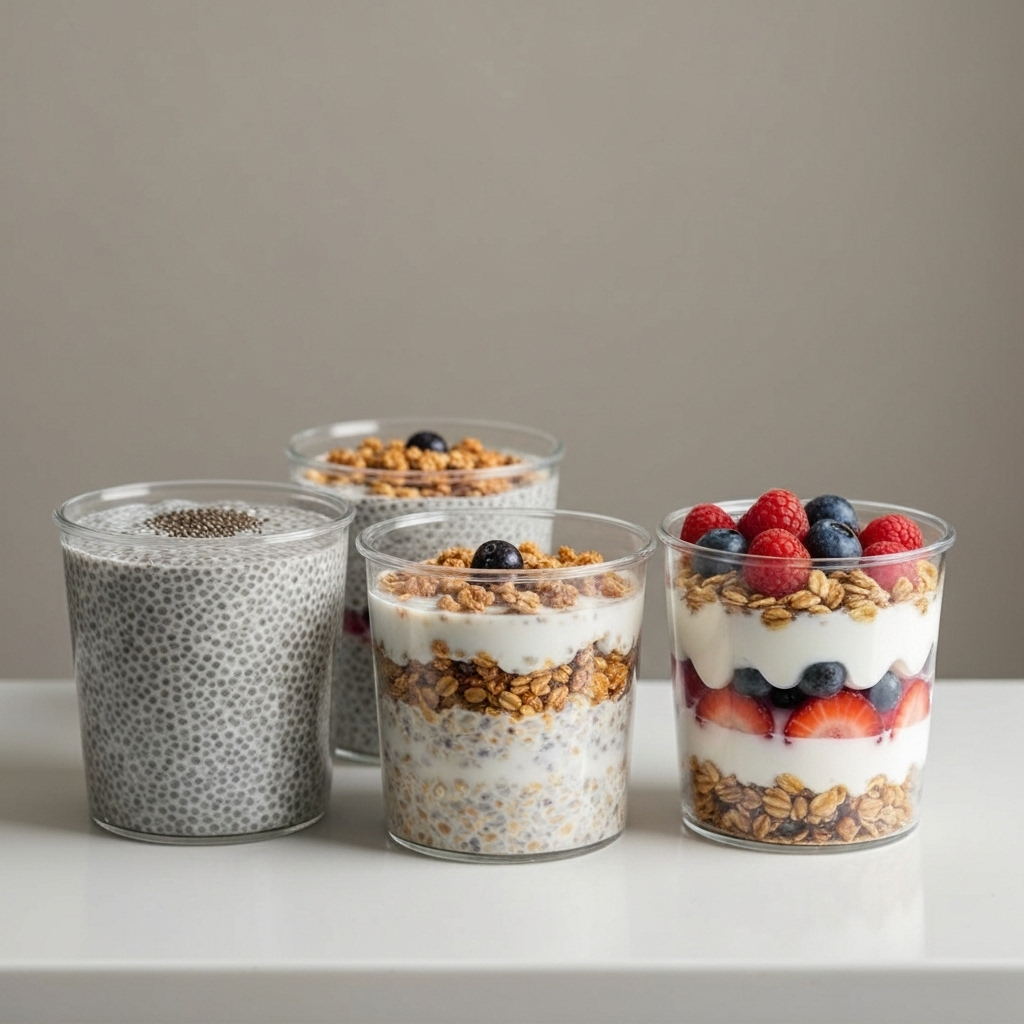
Overnight oats are a classic for a reason—they’re simple to assemble the night before and endlessly customizable. Another fantastic choice is a Greek yogurt parfait layered with fresh fruit and crunchy granola. These breakfasts are packed with protein and fiber to keep you full until lunch.
Here are some easy, no-cook breakfast ideas:
Overnight oats: Mix oats, milk, chia seeds, and a touch of maple syrup in a jar.
Yogurt parfaits: Layer Greek yogurt with berries and your favorite granola.
Chia seed pudding: A creamy, protein-packed option that can be topped with fresh fruit.
Smoothie packs: Freeze fruit, spinach, and a scoop of peanut butter in a bag for quick blending.
Sometimes, even with the best intentions, there just isn't time to prep lunch. For those weeks, Fresh Fork Meals offers a perfect solution with its healthy meal delivery service. You get delicious, chef-prepared vegetarian meals without any of the work.
Enjoying a satisfying lunch is as easy as opening your fridge. Imagine having an Edamame Crunch Salad with peanut dressing or a hearty quinoa salad ready to go. These fresh fork meals take the stress out of lunchtime, so you can focus on your day.
If you don't have time to make your own meal prep recipes, our meal prep delivery service is here to help. A tasty chickpea salad or another of our fresh, ready-to-eat options ensures you always have a healthy and convenient lunch waiting for you.
Prepping for weeknight dinners is all about having make-ahead ingredients ready to assemble. This "component prep" style gives you flexibility while still saving a huge amount of time. On a busy evening, you can throw together a delicious meal in minutes.
Think about roasting a big tray of sweet potatoes and other root vegetables, cooking a pot of lentils, or making a large batch of black bean soup. These can be used in different ways throughout the week, so you don't feel like you're eating the same thing every night. A simple lentil soup can be a comforting dinner one night and a quick lunch the next.
Here are some make-ahead dinner ideas:
Taco fillings: Sauté seasoned black beans and corn to use in tacos or bowls.
Roasted vegetables: Chop and roast broccoli, sweet potatoes, and bell peppers.
A big batch of soup: Make a hearty black bean soup or lentil soup.
Cooked grains: Prepare a large amount of quinoa or brown rice to use as a base.
Worried about getting enough protein? High-protein vegetarian meal prep recipes are not only possible but also incredibly delicious and satisfying. Focusing on protein-rich ingredients will keep you energized and full, making your plant-based lifestyle sustainable in the long run.
From hearty lentils to versatile tofu, there are so many powerful plant-based options to choose from. Whether you're looking for vegetarian or vegan meal prep ideas, building your meals around these foods is simple. Let's explore the best protein sources and some tasty recipes.
Knowing the best plant-based protein sources is the first step to creating satisfying prepped meals. These ingredients are not only packed with protein but are also versatile and hold up well in the fridge, making them perfect for meal prep.
Tofu, for example, is a fantastic canvas for flavor and can be baked, fried, or crumbled. Legumes like black beans and chickpeas are inexpensive, shelf-stable, and can be used in everything from salads to stews. A simple chickpea salad is a lunch staple for a reason!
Here are some top protein sources for your meal prep:
Legumes: Lentils, chickpeas, and black beans are fiber- and protein-rich.
Soy Products: Tofu, tempeh, and edamame are complete proteins.
Nuts and Seeds: Almonds, walnuts, chia seeds, and nut butter add protein and healthy fats.
Whole Grains: Quinoa and farro offer both protein and complex carbs.
For those days when you crave a high-protein meal without the cooking, Fresh Fork Meals has you covered. Our meal prep delivery service features a variety of delicious, protein-packed vegetarian and vegan meal prep recipe options designed to fuel your body.
We focus on creating satisfying dishes that are both healthy and flavorful. Imagine coming home to a warm bowl of Spiced Tofu Curry or a comforting Lentil Shepard's Pie. These meals take the guesswork out of hitting your protein goals and make sustainable eating incredibly convenient.
Our menu is full of high-protein favorites, including:
Black Bean Chili: A hearty, savory chili packed with plant-based protein.
Spiced Tofu Curry: Flavorful tofu bowls with aromatic spices.
Lentil Shepard's Pie: A comforting classic made with hearty lentils.
These options and more make it easy to enjoy a delicious, protein-rich meal anytime.
Boosting the protein content of your favorite vegetarian recipes is easier than you think. A few simple additions can transform a light meal into a more substantial and satisfying dish, which is perfect for meal prepping.
Think of these as "protein boosters" you can sprinkle into almost anything. For example, add a scoop of hemp seeds to your morning smoothie or a handful of roasted chickpeas to your grain salad for extra crunch and protein. These small tweaks make a big nutritional impact on your easy weeknight dinners.
You can also stir a can of white beans into your pasta sauce, top your soup with a dollop of Greek yogurt, or spread hummus on your sandwiches. With a little creativity, you can ensure every meal you prep is packed with the protein you need to thrive.
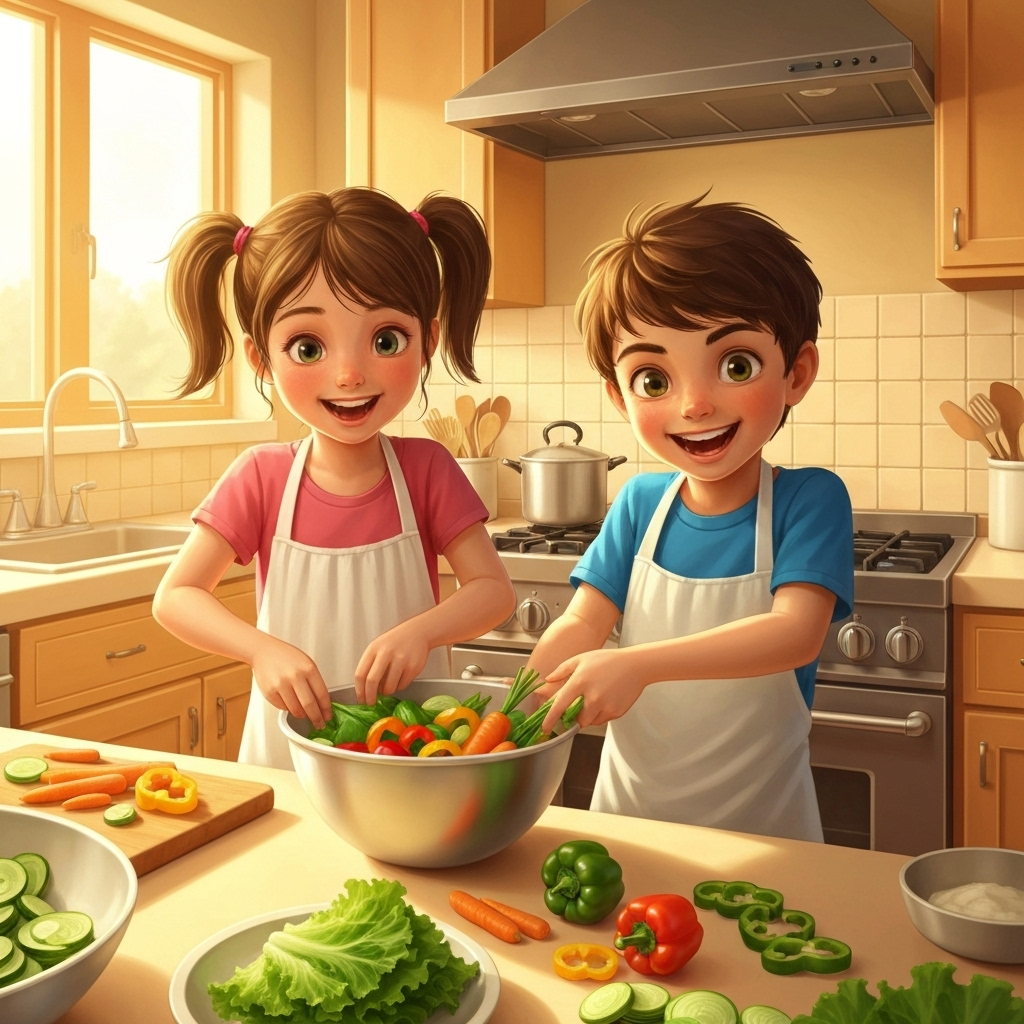
Getting the whole family on board with vegetarian meal prep can feel like a challenge, but it's entirely possible with the right approach. The key is to make food fun, familiar, and delicious. With a few kid-friendly strategies, family meals can be both healthy and hassle-free.
From creative lunches to smart snack ideas, there are many ways to make vegetarian meal prep recipes that your kids will love. Let’s explore how to pack lunches they’ll actually eat and get them excited about helping in the kitchen.
Packing a lunch that comes home empty is the ultimate parenting win. When it comes to kid-friendly lunch ideas, think color, variety, and finger foods. Bento-style lunch boxes are perfect for offering a few different options in small, approachable portions.
Instead of a traditional sandwich, try a "deconstructed" version with crackers, cheese, and veggie sticks. Pasta salads are also a big hit, especially when they include familiar favorites like sweet corn or creamy mozzarella. Don't forget to add a touch of sweetness with juicy strawberries or another favorite fruit.
Here are some creative lunch ideas for kids:
Veggie "sushi": Roll cream cheese and finely chopped veggies in a tortilla and slice into rounds.
Mini quesadillas: Filled with beans and creamy mozzarella, cut into fun shapes.
Pasta salad: With sweet corn, peas, and a light, creamy dressing.
Fruit and cheese skewers: Alternate cubes of cheese with grapes and juicy strawberries.
If you have picky eaters, getting them to eat their vegetables can be a battle. One effective strategy is to "sneak" veggies into foods they already love. While it's great to encourage them to try vegetables in their whole form, this method ensures they're getting the nutrients they need.
Sauces are your secret weapon. Blend fresh spinach into a pesto or tomato sauce—they'll never know it's there. You can also add shredded zucchini or carrots to burgers and meatless meatballs. Mashed sweet potatoes can be mixed with regular potatoes, and creamy avocado can be blended into a chocolate pudding.
Another idea is to change the texture. Finely shredding brussels sprouts or crunchy cabbage for a slaw can make them more appealing than when they're served whole. The key is to be creative and patient.
One of the best ways to raise an adventurous eater is to get them involved in the kitchen. When kids help with meal prepping, they feel a sense of ownership and pride in the food, making them much more likely to try it.
Assign age-appropriate tasks to make it a fun and safe experience. Even the youngest kids can help with washing vegetables or stirring ingredients. This is the right place to start building a positive relationship with food that will last a lifetime.
Here’s how to get kids involved:
Let them choose: Have them pick a recipe or a vegetable at the store.
Give them a job: Younger kids can stir, while older kids can help chop with kid-safe kitchen tools.
Make it fun: Use cookie cutters to make fun shapes or let them arrange food on a platter.
Create snack ideas together: Let them build their own trail mix or yogurt parfaits.
You've spent time and effort on your vegetarian meal prep, so you want it to stay fresh and delicious all week. The key to maximizing freshness lies in your storage techniques. The right storage containers and methods can make a huge difference.
A successful meal prep routine depends on keeping your fresh veggies crisp and your prepared meals tasty. Nobody wants to eat a soggy salad on Wednesday! Let's cover the best practices for storing your food to ensure it lasts.
Proper storage is the final, crucial step in your meal prep process. Using the right storage containers and techniques will ensure your food stays safe and appealing. Airtight storage is your best friend when it comes to maintaining freshness.
Always let your cooked food cool down completely before sealing it in a container and putting it in the fridge. Trapped steam creates moisture, which can lead to sogginess and faster spoilage. For items like baked goods or patties, placing a piece of parchment paper between layers can prevent them from sticking together.
Here are some best practices for storage:
Use airtight containers: Glass containers are excellent as they don't stain or hold odors.
Cool food first: Prevent condensation by letting hot food cool to room temperature.
Store components separately: Keep dressings, sauces, and crunchy toppings separate until serving.
Label and date: Put a label on your containers so you know what's inside and when you made it.
Want your meal prepping efforts to last from Monday to Friday? It’s all about smart planning and strategic storage. Not all meal prep recipes are created equal; some hold up much better in the fridge than others.
Hearty dishes like soups, stews, and chilis often taste even better after a day or two as the flavors meld. Grain bowls are also fantastic for meal prep, but be sure to store wet ingredients like sauces separately from dry ones. For salads, use sturdy greens like kale and add delicate ingredients like avocado just before eating.
To make your food last, organize your fridge so the meals you plan to eat first are at the front. By eating your prepped meals in order of freshness, you can enjoy delicious, easy weeknight dinners all week long without worrying about spoilage.
In conclusion, embracing vegetarian meal prep not only contributes to a healthier lifestyle but also plays a crucial role in promoting sustainability. By integrating plant-based options like Fresh Fork Meals' Black Bean Chili, Spiced Tofu Curry, and Lentil Shepherd's Pie into your meal planning, you can significantly reduce your carbon footprint while enjoying delicious meals. This approach not only supports local farms but also minimizes food waste through thoughtful meal preparation. So why not make a positive change today? Sign up with us to explore more easy vegetarian meal prep recipes and discover how simple it can be to lead a more sustainable life. Together, let's create a greener future one meal at a time!
For beginners, the best foods are sturdy and versatile. Think roasted sweet potatoes, a big batch of quinoa for a quinoa salad, and canned legumes like black beans. These ingredients hold up well in the fridge and can be used in many different meal prep recipes throughout the week.
To keep meals fresh, use airtight storage containers and let food cool before refrigerating. Store wet ingredients like dressings separately. For layered items, a small piece of parchment paper can prevent sticking. A good meal prep routine includes planning which meals to eat first for optimal freshness.
Absolutely! Cooking in large batches is perfect for busy families. Make a big batch of chili, soup, or pasta sauce that can be used for several easy weeknight dinners. Prepping simple, kid-friendly snack ideas like veggie sticks with hummus or fruit and yogurt cups also saves a lot of time.
00 purchased meeal Name