Struggling with emotional eating? Discover how our emotional eating solution at Fresh Fork Meals can help you regain control and find balance in your life.

Emotional eating is using food to cope with feelings rather than physical hunger, often triggered by stress.
Understanding the difference between emotional and physical hunger is the first step toward change.
Mindfulness practices can help you build awareness around your eating habits and reduce cravings.
Replacing unhealthy comfort foods with nutritious, satisfying options supports your weight loss goals.
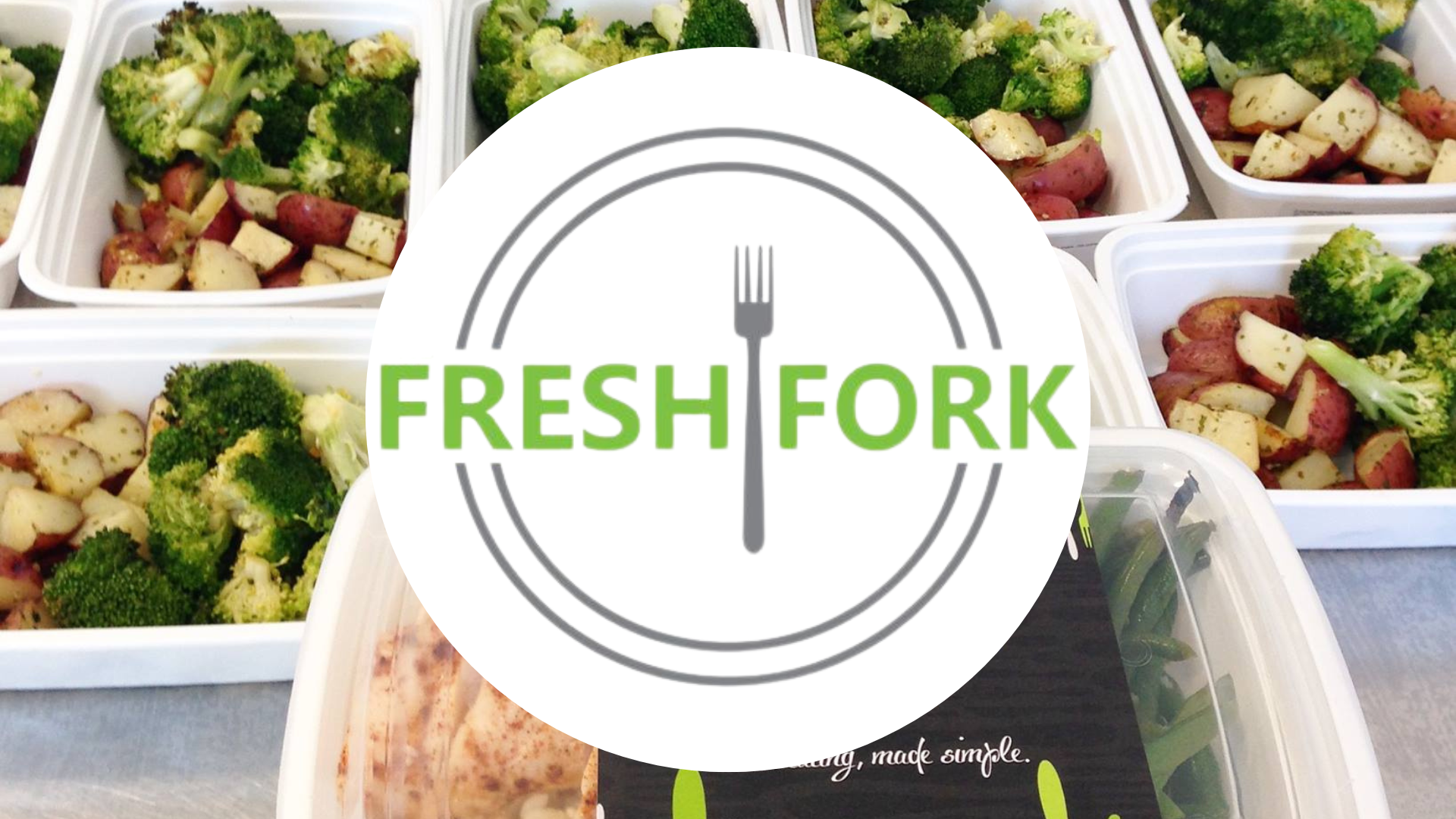
Fresh Fork Meals offers chef-prepared, healthy meals to eliminate cooking stress and provide convenient, nourishing choices.
Building consistent routines and seeking support are key strategies for conquering emotional eating long-term.
Do you ever go to the snack cabinet when you feel stressed, sad, or bored? You are not the only one. Many people in Bloomington, Indiana, use food when they feel tough emotions. This is called emotional eating. It is common to do this. But when you use food all the time to handle how you feel, it can keep you from reaching your health goals. If you want to stop these habits and not let them turn into an eating disorder, the first thing to do is learn what makes you pick certain food choices, like opting for a Fresh Fork meal instead of snacks. It's important to know your triggers so you can start having a better link with how and what you eat.
 Emotional eating happens when you eat to feel better or hide bad feelings. You may think it helps, but it does not fix what is really bothering you. Over time, it can make you feel guilty or ashamed, and may cause unwanted weight gain. This way, your feelings control what you eat, instead of your body asking for nutrition.
It can be hard to tell if you are really hungry or just eating because of emotions. But there are things to look for that help you spot the difference. Learning these signs is important to stop this cycle. If the way you eat starts hurting your life, talking with a mental health professional can be good for you. Let’s look into what emotional eating is and how you can tell between emotional hunger and being truly hungry.
So, what is emotional eating? It is when you use food to help yourself feel better. You eat for comfort, not because you are hungry. This action helps fill an emotional need. While emotional eating can be a sign of a bigger eating disorder, it is not an eating disorder by itself. But if you keep turning to food every time life gets hard, you could end up with a more serious problem like binge eating.
There are many causes that can lead to emotional eating. The reasons can be outside problems or inner struggles. Some things that might start cravings are work stress, money troubles, or problems with people around you. If you have a past of strict diets, you might be even more at risk. This is because always feeling like you cannot have what you want makes it really tough to say no when you feel bad.
Inside, some people do not really know how they feel. Others do not know how to deal with those feelings in a good way. Because of this, some turn to food for comfort, and it can feel like the only way. After a while, this becomes second nature. To fight emotional eating, you need to know what sets it off. Then you can practice new ways to cope. You also should work to face your feelings head-on, and not use food as the go-to choice.
Have you ever asked yourself if you are really hungry, or if you just eat the same way every day without thinking? The way you understand your appetite can change how you eat. Knowing if your hunger is about nutrition for your body, or about emotions, helps a lot. Physical hunger means your body wants food to have energy. Emotional hunger comes from your feelings, not what your body needs.
Physical hunger grows slowly over time. You feel happy with food when you get enough. Emotional hunger is very quick and feels like you need food right away. This kind of hunger often happens when you want comfort food and you keep eating even after you are full. This can make you eat more than what your body should.
There’s a way to see if your appetite is strong because you are hungry, or because of your feelings. You can ask yourself if you feel the hunger in your stomach, or does it come from your heart or mind.
Onset: Physical hunger starts slowly. Emotional hunger comes fast.
Trigger: Physical hunger happens when you have not eaten for a while. Emotional hunger is the need for comfort.
Satiety: For physical hunger, you know you are full and stop eating. For emotional hunger, you keep eating, and might not notice when you are full.
Recognizing when you are emotional eating is the first thing you need to do to take back control. This is not just about overeating now and then. It is a steady pattern where what you feel decides what you eat. If you eat even if you are not really hungry, you might be eating for your feelings. That can lead to weight gain over time.
One of the main signs is when you use food to reward yourself or to feel better. For example, do you get a snack after a bad day or eat because you are bored? This habit can happen fast and might seem like you no longer have a choice with food. Sometimes, this makes you feel bad about eating and can cause you to eat more. It often leads to more overeating and can cause weight gain.
Do these signs of emotional eating sound like you?
You get the urge to eat fast when you feel big emotions.
You keep eating even if your body is not hungry.
You feel like food relaxes you or gives you a treat.
You feel out of control when you are near certain foods.
You often eat when you feel stress, sadness, or boredom.
 Stress can really change the way you feel about food. If you have a stressful moment, it can make you lose your appetite for a while. This is called the "fight-or-flight" response in your body. But if there is stress all the time, things can be different.
Chronic stress keeps your body ready for action and pushes up your cortisol levels. This makes you want to eat more and may even lead to overeating. The mix of stress and binge eating can mess up your health plans. It can also cause weight gain. To handle this the right way, it helps to know how it all works. This can help you find better ways to feel good without turning to food.
When you have ongoing stress, your body gives off a hormone called cortisol. Cortisol is there to make your appetite stronger. It also gives you more drive, like wanting to eat. If stress stays for a long time, cortisol levels stay high. This makes you want food all the time, mainly comfort foods that are full of fat and sugar.
These comfort foods seem to help because they can lower your stress and calm your feelings for a short time. But this sets up a strong cycle. You feel stressed, you crave a sweet snack, you eat the snack, you feel better, and then you repeat. That’s one big reason stress leads to binge eating.
You must find ways to handle stress without using food. Here is more on how stress pushes the cravings:
Constant stress raises your cortisol, and that bumps up your appetite.
Stress makes you want comfort foods with a lot of fat and sugar.
Eating these gives your body short comfort, so you want more.
Bad sleep and skipping exercise from stress can make it worse.
Emotional eating can keep you from losing weight. When you eat because of your feelings, you often end up eating more. You also eat fatty or sweet foods that your body does not need. This can lead to weight gain. Over time, you may also have obesity.
There is more to emotional eating than just eating too much. When you feel stress and eat for comfort, you may pick up other habits that make things worse. You might sleep less, move your body less, or drink more alcohol. These things all make it harder to lose weight. Harvard says stress from work or life can make weight gain happen, especially for people who already struggle with it. [Source: https://www.health.harvard.edu/staying-healthy/why-stress-causes-people-to-overeat]
When you are stuck in this cycle, all your hard work may feel like it does not matter. You can get discouraged. If you never deal with what triggers your emotional eating, things can get more serious and even turn into an eating disorder. That is why it is important to face the real reasons you turn to food. It helps you with weight loss and keeps you healthy for the long run.
Almost anything can make you want to eat for emotional reasons, but some things cause these feelings more than others. Knowing what triggers your cravings is important. This helps you get back the control over what you eat. These triggers often come from things happening around you or come from the way you feel inside. You may find you eat when you are bored or stressed. Many people go into the kitchen when there is nothing to do. You might grab a snack after a stressful meeting at work too. Problems with people in your life or money problems also make people turn to food for comfort.
A food journal may help you see your eating patterns better. If that is hard, a dietitian or therapist can help and offer social support. These are some triggers the most people struggle with:
Work-related stress
Financial difficulties
Health concerns
Relationship conflicts
Feelings of boredom or emptiness
Lack of social support
Mindfulness can be a strong way to help with emotional eating. It helps you notice the present moment, and you do this without judging yourself. This way, you see the connection between your feelings and grabbing something to eat, and you get a chance to change it.
When you practice mindfulness, you put a gap between feeling an emotion and what you do next. This gives you time to ask yourself what you need. Is it food, or is it something else? Things like meditation can build this skill. They help you become aware and let you make better food choices. Now, let’s talk about how to use these ideas in your daily life.
Mindful eating is not a diet. It is a way to help you connect with how hungry or full your body is. When you use mindful eating, you focus on eating and get to know your food better. It can make the way you eat better and help with how you feel inside. Mindful eating encourages you to take your time and be right there when you eat.
Instead of eating and looking at your phone or TV, with mindful eating, you pay full attention to your food. By doing this, you may enjoy your meals more and feel more happy with them. This can make you less likely to want more snacks later. It is a way to stop, think about what you want right now, and ask yourself what you really need.
Want to give mindful eating a go? Here are some easy things to try:
Pay attention to your senses: Look at your food. Smell it, taste it, and feel how it is in your mouth.
Remove distractions: Sit at the table and eat without TV, your computer, or your phone.
Eat slowly: Make sure you chew well, and take breaks by putting your fork down between bites. This helps your brain know when you are full.
Building awareness of your food choices is the first big step to get past emotional eating. It means you need to know why you reach for food the way you do. This is not always easy. If you have started and stopped many diets, this can feel tough. Still, doing a few simple things every day can help a lot.
One good way to begin is to keep an emotion or food diary. Write down what was going on and how you felt when you wanted to eat—especially when you were not hungry. Do not judge yourself in this process. Try to get your notes down with an open mind. After some time, you will see patterns in the way you pick your food.
Things like meditation and yoga also work very well. They help lower stress and can help you know your body better. Here are some easy techniques you can try:
Start an emotion diary to track your feelings and eating habits.
Practice a 5-minute guided meditation daily.
Try gentle stretching or a short walk to move your body.
Ask yourself, "Am I physically hungry?" before you eat.
Practice positive self-talk instead of self-criticism.
Mindfulness can really help you cut down on emotional cravings. Studies show that it is a great way to handle the anxiety and depression that often lead to stress eating. When you bring non-judgmental awareness to your thoughts and feelings, you learn to see them. You do not have to act on them right away.
A study from 2024 found that mindfulness meditation helps change stress-eating and the way the brain reacts to stress. [Source: https://www.nature.com/articles/s41598-024-57687-7] This means that mindfulness can change how your brain deals with stress. When you feel cravings, you can focus on your breath or other meditation practices. This gives your mind space to make a better choice for your food.
Changing your point of view is very important for weight loss in the long run. It helps you move from quick reactions to more thoughtful ones. Over time, you may see fewer episodes of emotional eating. You can make better food choices and see better results. This skill gets stronger the more you use it. With practice, you get more confident in handling cravings and keeping up good habits.
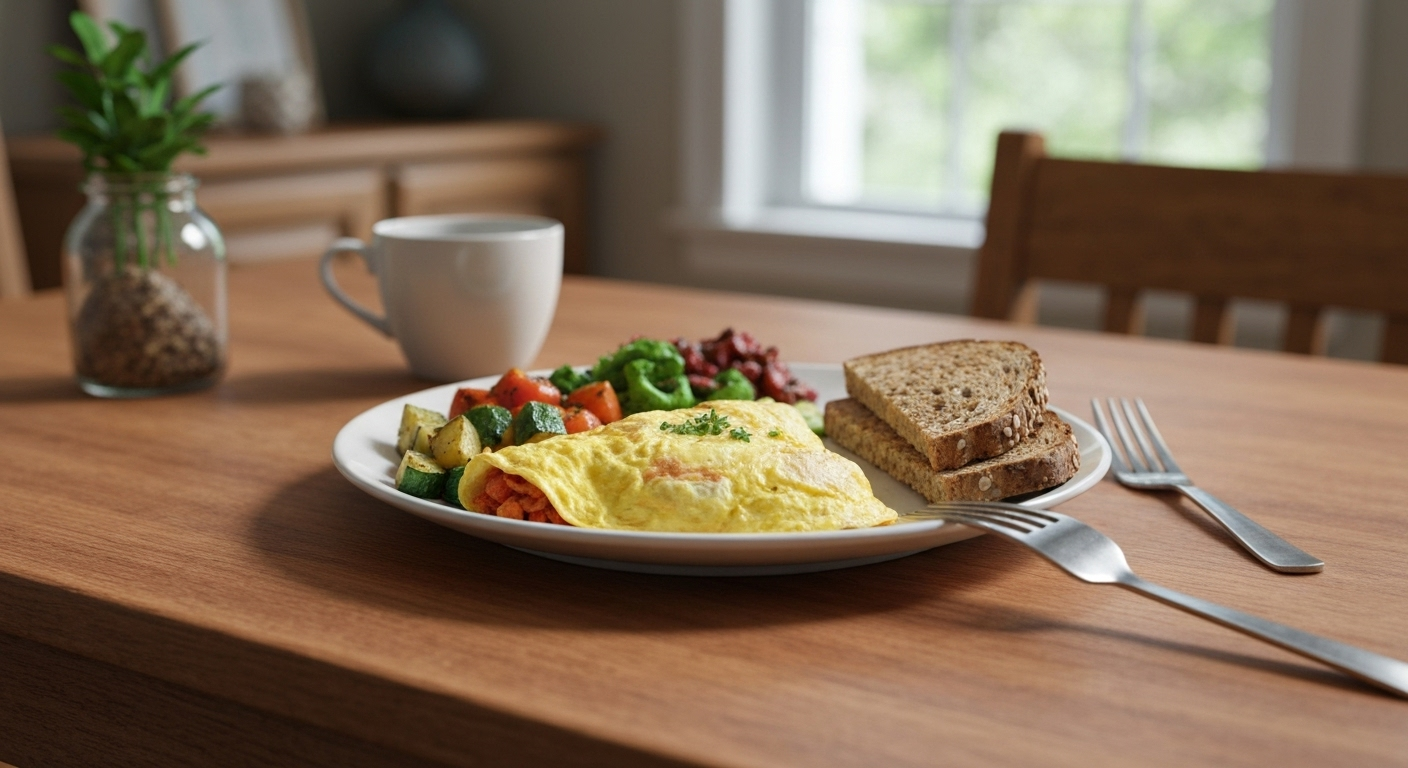 When you feel emotional cravings, you do not have to stop yourself from eating. The trick is to pick comfort foods that help you and also be good for your body. Look for warm foods that make you feel full and also healthy. Swap processed meals with those made from whole grains, lean meats, and vegetables like sweet potato. This will make a big change in how you feel after eating.
Fresh Fork Meals is here to help with this. We give you chef-made meals that are ready to eat and taste great. You get the comfort foods you want, but not the things that are bad for you. Picture eating a filling meal with tomato basil sauce. It is full of good things that your body needs. You get to eat what you like and be healthy, too. Now, let's see some other good and healthy options you can try.
Finding nutritious alternatives to your favorite comfort foods is easier than you think. The goal is to recreate the satisfying experience with healthier ingredients. Instead of high-fat, high-sugar options, focus on dishes rich in fiber, protein, and complex carbohydrates to keep you full and stable.
For example, instead of traditional mac and cheese, you could try a version made with whole-grain pasta, a creamy sauce from pureed sweet potato or butternut squash, and some wilted spinach for added nutrients. Craving pizza? A whole-wheat or gluten-free crust topped with plenty of veggies and a flavorful tomato basil sauce can hit the spot.
These swaps allow you to enjoy the comforting qualities of these foods without the negative health impacts. Here are a few simple ideas:
Instead of This... | Try This Nutritious Alternative |
|---|---|
Fried Chicken | Baked or air-fried chicken with a whole-grain crust |
Creamy Pasta | Pasta with a rich tomato basil sauce or pesto made with olive oil |
Ice Cream | A bowl of Greek yogurt with fresh berries and a drizzle of honey |
Potato Chips | Baked sweet potato fries or kale chips |
At Fresh Fork Meals, we want to make it easy and fun for you to eat healthy. We know that in the times when you be stressed or sad, cooking can feel like too much. The chef-made meals from us are made for comfort and good nutrition. These meals help with emotional balance and wellness, and can be a good choice for you.
Every meal is planned by our team to give you the right mix of lean protein, complex carbohydrates, and fresh vegetables. This way, your blood sugar stays steady and you have good energy all through the day. If your blood sugar drops, you may get more cravings, but our meals help you cut down on that. We do the hard work so you can get a tasty and healthy meal any time.
We have meals for different needs like vegan, dairy-free, and gluten-free options. Our balanced, easy meals can help you beat decision fatigue and make mindful choices instead of going with fast urges. With Fresh Fork Meals, you get the right food for your body and mind in a way that feels good for you.
Many of our customers say that having Fresh Fork Meals ready at home helps a lot with their emotional wellness. When you feel a craving, you get to pick a tasty, balanced meal instead of grabbing a snack that is not good for you. These comfort foods give real satisfaction and are good for you, too.
People often choose our comfort foods because they are hearty and feel familiar. Each one comes with a healthy twist. You get the flavor you want but not the guilt. So, when you want some TLC, these are a good choice. There is creamy chicken, savory beef, and other great meals that show how healthy eating can still be fun.
Here are the customer picks for comforting and healthy meals:
Peppered Beef Tips with Mashed Potatoes: Tastes just like a classic comfort dish. You get the right amount and balance in every bite.
Herb Roasted Pork Loin: Savory and tender, and comes with sides that are good for you, too.
Creamy Pesto Chicken: Full flavor and rich taste, but does not feel heavy.
Satisfying Vegan options: We also have plant-based comfort foods that are as tasty and comforting as the others.
If you like comfort foods, or need a vegan meal, or just want a better snack choice, these meals from Fresh Fork Meals can be a good option for you.
Meal planning is a strong way to help with emotional eating. When you have a plan, you make things simple and take away the need to guess about what to eat. The plan can help you not make quick food choices when you feel weak. It gives you a routine and brings order to your meals. This can help to keep your appetite steady.
Getting chef-prepared meals makes things even better. You do not have to worry about going out and shopping for food or cooking at home. These things can make some people eat more when they feel bad. When you make good food choices and stick with habits, you get the help you need for your weight loss goals. It helps you build day-to-day steps you can use for many years. Now, let’s look at how this can work for you and your food.
Choosing chef-prepared, ready-to-eat meals is a good way to beat emotional eating. The best part is that it is very convenient. When you know that a tasty and healthy meal is just minutes away, you are not as likely to say yes to unhealthy takeout or snacks.
You also get steady nutrition with this plan. You do not have to think about how much to eat or if you are getting the right mix of nutrients, because the hard work has already been done by someone else. This can help keep your blood sugar and energy steady, so there are fewer mood changes and fewer cravings.
Meal planning helps create a daily routine, so you don’t use up energy thinking about what you should eat next. With chef-prepared meals, this is easy.
Saves time and reduces stress: There’s no need to shop for groceries, prepare meals, or cook.
Guarantees portion control: Meals are measured to fit your health needs.
Provides balanced nutrition: Every meal is made by skilled people to give you good nutrition.
Eliminates decision fatigue: A healthy choice is always ready, so it is simple to pick the best option.
This way, you can focus on your emotional eating without worry. You get all-day nutrition and can fight cravings with healthy habits, knowing the hard work is already done for you.
Setting regular mealtime routines is a great way to handle emotional eating. When you eat at about the same times each day, your body learns when to expect food. This can help control your appetite and hunger signals. If you eat at a set time, you might not get too hungry. It's at these times when people often pick unhealthy food choices without thinking.
Planning when to eat is good for both physical and emotional hunger. Some studies say that when you do not feel hungry (a "cold" state), you think more clearly before picking foods. But when you are hungry (a "hot" state), it is easy to make quick emotional eating decisions. Eating at regular times keeps you in a "cold" state longer. This stops strong emotional eating triggers from taking over.
Try to have your meals at the same time every day. That includes weekends too. Eating every three to four hours can help you keep your energy up. If you stay consistent with your meals, your mind and body start to know when you are truly hungry and when you are just dealing with an emotional craving. This makes it easier for you to choose good food choices and reach your goals over time.
Long-term change in how you handle emotional eating comes from building small habits every day. You do not need to make sudden changes you cannot keep up with. The key is to add easy steps to your day that help you move forward and feel better over time.
One good habit is to stop and check with yourself before each meal. Ask, "How do I feel right now? Am I really hungry?" Taking time to think can help break the cycle of emotional eating. Mix this habit with things like planning your meals ahead. This will help make real change last.
Want to start new, healthy habits? Try these ideas:
Plan your meals and snacks to be at the same times each day.
Write down your feelings and what you eat in a short journal.
Move or walk every day, even if you only go for a little while.
Tell yourself good things and be kind to yourself.
Keep foods that are healthy and easy to eat close by.
Ask for help if you are having a tough time.
You can use these steps to help with emotional eating and feel better about your choices every day.
You do not have to face emotional eating on your own. Building a strong support system is important in this journey. You can get help from a mental health professional, a dietitian, and get support from friends, family, or groups.
Do not pull away when you feel down. It helps a lot if you have social support. This can lift your mood and help you deal with things better. You can find many places to help you learn better ways to manage emotional eating. Now, let us look at some options for getting help from both professionals and peers.
If you find that you struggle with emotional eating, there are the many ways to get help. You do not have to have an eating disorder diagnosis to look for support. If you feel uneasy about your eating habits, that is reason enough to talk to someone.
A mental health professional will help you figure out why you turn to food when you feel emotions. He or she can teach you ways to cope, like using Cognitive Behavioral Therapy (CBT). Seeing a registered dietitian, especially one who knows about mindful eating or intuitive eating, can also help you build a better connection to food. The Academy of Nutrition and Dietetics is the good place to search for the nutrition experts.
Joining peer support groups will give you a sense of community and let you meet others who go through similar things. In the United States, here are some helpful places:
Therapists and Counselors: Find the experts who work with eating behaviors.
Registered Dietitians: Locate one with help from the Academy of Nutrition and Dietetics.
Overeaters Anonymous (OA): The 12-step group for people with compulsive eating.
The National Eating Disorders Association (NEDA): This place provides a helpline and useful resources.
Local Hospitals or Clinics: You may see these groups for weight management at hospitals or clinics.
Ending emotional eating is something that takes time, a plan, and help from others. It is important to understand why you eat when you feel something. Using mindfulness when you are eating can be one way to stop overeating. Choosing good food instead of giving in to cravings is another way you can help yourself. Fresh Fork Meals sends you chef-made, ready-to-eat meals. These meals are made to help you feel full without feeling guilty. Fresh Fork Meals can help you find better ways to handle emotional eating. The meals are made with care to help you keep good habits and make healthy choices easier. If you want to begin to overcome emotional eating and overeating, you can sign up today. See how Fresh Fork Meals uses its meals to help your journey to feeling better about food and cravings.
Yes, Fresh Fork Meals can help you a lot. When you get tasty, chef-prepared meals, you do not have to worry about the stress of cooking. This stress can often lead to emotional eating. With good, steady habits in place and balanced nutrition, it gets easier for people to say no to unhealthy urges. You can stay away from bad eating habits and feel better about your meals.
Our meals make it easy for you to get good nutrition. They help keep your mood and energy steady. You don’t need to worry about meal prep or spend a lot of time in the kitchen. The food is tasty, so you want to come back for more. There are vegan options and other choices that let you enjoy eating and feel cared for. With our balanced meals, you can feel better every day, and it takes no extra work from you.
Yes, it's good to be aware before you eat. Ask yourself if you really feel hungry. Keep a simple journal where you write down your feelings and food choices. Plan to have good nutrition ready for when you need it. If you feel you need help, talk to friends or a professional.
00 purchased meeal Name